Aceclofex SR
Description
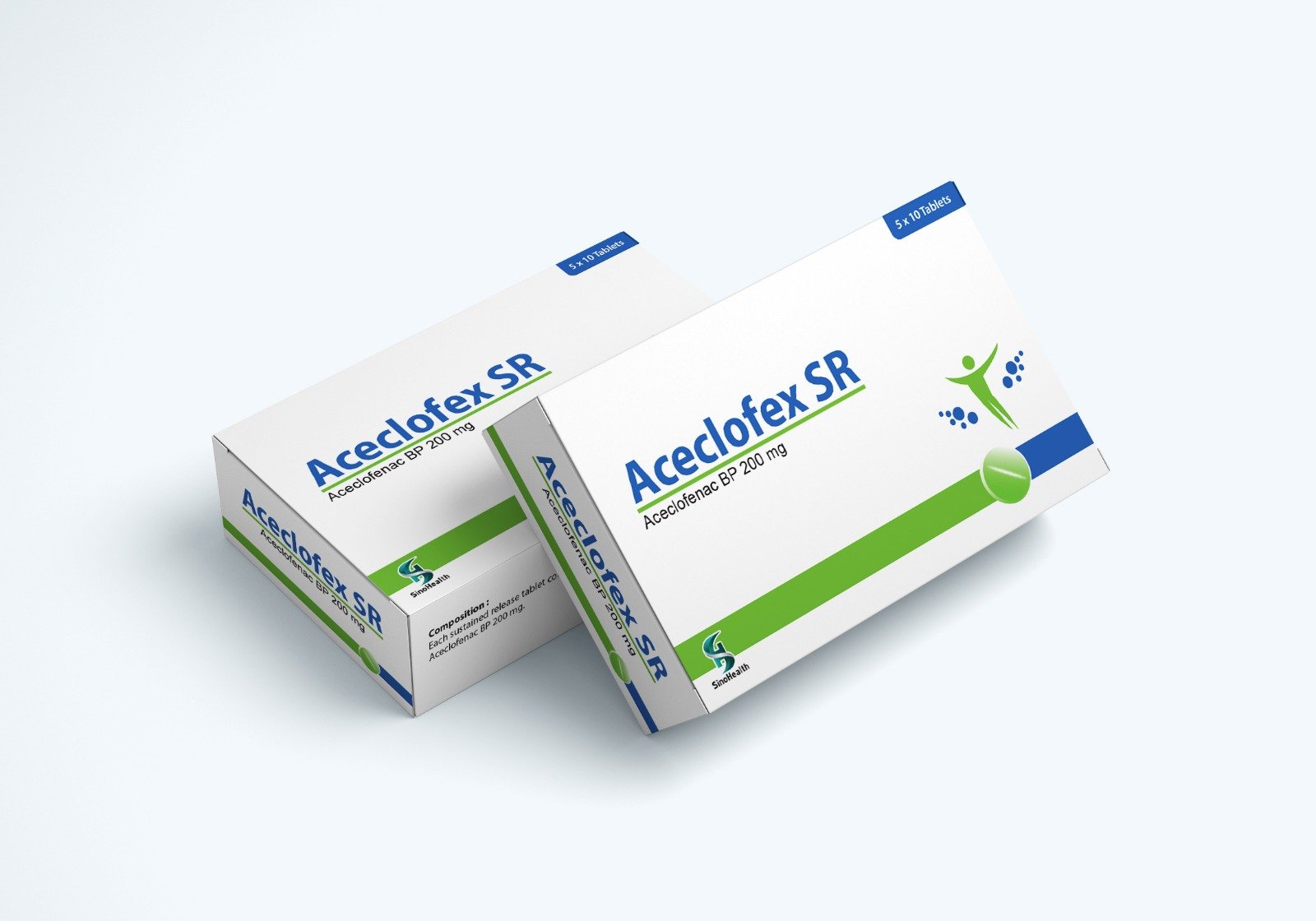
💊 Aceclofex SR – Aceclofenac 200 mg
Manufacturer: SinoHealth Pharmaceuticals LTD
1. Presentation:
Each film-coated sustained-release tablet contains:
➡️ Aceclofenac BP 200 mg
Available as film-coated sustained-release tablets for oral administration.
2. Description:
Aceclofex SR is a non-steroidal anti-inflammatory drug (NSAID) with potent anti-inflammatory and analgesic properties.
Its mode of action is primarily based on the inhibition of prostaglandin synthesis, which reduces pain, swelling, and inflammation.
Aceclofex SR is a potent inhibitor of cyclooxygenase (COX) enzymes, responsible for prostaglandin production. It also contributes to cartilage matrix (glycosaminoglycan) synthesis, supporting joint health.
3. Indications:
Aceclofex SR is indicated for the relief of pain and inflammation in both acute and chronic conditions, including:
-
Osteoarthritis
-
Rheumatoid arthritis
-
Ankylosing spondylitis
-
Dental pain
-
Post-traumatic pain
-
Low back pain
-
Gynecological pain
4. Dosage & Administration:
Adults:
The recommended dose is 200 mg once daily.
Children:
No clinical data is available on the use of aceclofenac in children.
Elderly:
Pharmacokinetics are not significantly altered in elderly patients; no dose adjustment is generally required.
Renal Insufficiency:
No dosage modification is necessary in patients with mild renal impairment.
Hepatic Insufficiency:
In patients with hepatic impairment, an initial dose of 100 mg daily is recommended.
5. Side Effects:
Aceclofex SR is generally well-tolerated. Most side effects are mild and reversible, including:
-
Gastrointestinal disorders (dyspepsia, abdominal pain, nausea, diarrhea)
-
Dizziness
-
Skin reactions (rash, pruritus)
-
Occasional elevation of hepatic enzymes
-
Rare increase in serum creatinine
6. Precautions:
-
Administer with caution in patients with gastrointestinal disorders, history of peptic ulcer, ulcerative colitis, Crohn’s disease, hepatic porphyria, or coagulation disorders.
-
Monitor patients with severe hepatic impairment.
-
Avoid concurrent use with other NSAIDs or alcohol.
7. Use in Pregnancy & Lactation:
Pregnancy:
Not recommended unless necessary; use the lowest effective dose. Avoid during the third trimester.
Lactation:
Use should be avoided unless benefits to the mother outweigh risks to the child.
8. Overdose:
Limited human data is available.
Management:
-
Prevent absorption via gastric lavage and activated charcoal if ingestion is recent.
-
Provide supportive and symptomatic care for any complications.
9. Commercial Pack:
Box of 3 × 10’s film-coated sustained-release tablets
Related products